What Are Polynucleotides?
Polynucleotides are naturally occurring chains of nucleotides – the fundamental building blocks of DNA and RNA. In aesthetic medicine, highly purified polynucleotides are commonly derived from salmon or trout DNA because of their high biocompatibility and purification standards.
When administered through injectable procedures by qualified medical professionals, polynucleotides are associated with supporting the skin’s natural repair processes, improving hydration, and enhancing overall skin quality. Rather than adding volume like traditional dermal fillers, they are often described as skin quality boosters.
This distinction has made polynucleotide treatments particularly appealing to consumers seeking natural-looking rejuvenation.
Why Are Polynucleotides Trending?
The popularity of regenerative aesthetics reflects a broader shift within the beauty industry. Today’s consumers are increasingly interested in maintaining healthy skin rather than simply masking visible signs of ageing.
Several factors are driving demand:
- Growth of preventative skincare among younger consumers
- Increasing popularity of minimally invasive aesthetic procedures
- Social media exposure to skin booster treatments
- Growing awareness of skin longevity concepts
- Demand for clinically inspired skincare routines
Rather than chasing dramatic transformations, many consumers are now investing in treatments that support long-term skin health.
Injectables and Topical Skincare Are Not the Same
This is where scientific accuracy becomes essential.
Injectable polynucleotide treatments deliver active ingredients directly into the dermis, where they interact with deeper skin structures under controlled clinical conditions.
Topical cosmetic products, however, are applied to the skin’s surface. Large biomolecules such as polynucleotides face significant challenges penetrating the skin barrier without specialised delivery technologies.
As a result, cosmetic products should not be expected to replicate the biological mechanisms or clinical outcomes associated with injectable treatments.
Instead, topical formulations should be positioned as complementary skincare designed to support hydration, barrier function, and overall skin appearance while remaining within cosmetic regulatory frameworks.
Formulation Challenges Cosmetic Brands Should Understand
Developing skincare inspired by regenerative science requires far more than incorporating a trending ingredient into a formulation.
Ingredient Stability
Polynucleotide-derived ingredients are highly sensitive molecules. Stability throughout manufacturing, storage, and product shelf life must be carefully evaluated to preserve ingredient integrity.
Delivery Technologies
One of the greatest formulation challenges is enhancing ingredient delivery while maintaining cosmetic compliance. Technologies such as encapsulation, liposomal systems, and biomimetic carriers continue to attract research interest for improving topical performance.
Compatibility with Other Ingredients
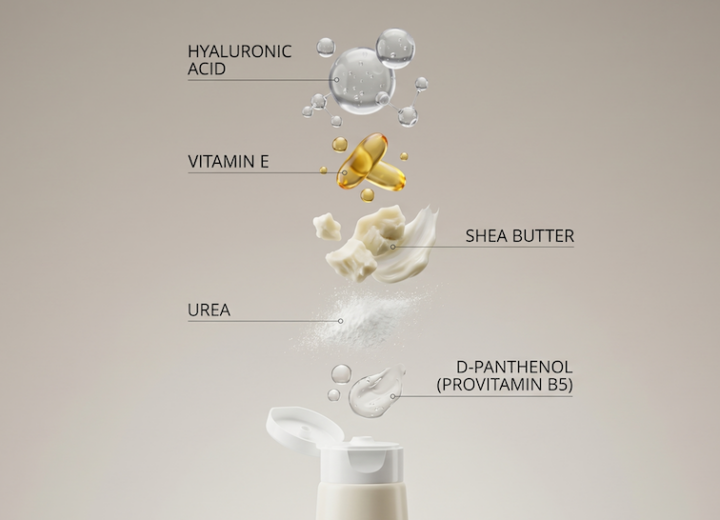
Advanced formulations often combine biotechnology-derived ingredients with:
- Hyaluronic acid
- Peptides
- Niacinamide
- Ceramides
- Ectoin
- Panthenol
Careful compatibility testing helps maintain product stability while supporting overall formulation performance.
Preservation Systems
Biotechnology-derived ingredients require preservation strategies that maintain microbiological safety without compromising formulation quality or consumer experience.
Consumer Expectations Need Managing
The excitement surrounding injectable treatments has inevitably influenced expectations for topical skincare.
Consumers may assume that creams or serums containing polynucleotides can produce results similar to professional aesthetic procedures. However, responsible cosmetic brands should communicate realistic expectations and avoid therapeutic or regenerative claims that fall outside cosmetic regulations.
Transparency builds credibility and increasingly, consumers appreciate brands that prioritise evidence over exaggerated marketing.
The Future of Regenerative-Inspired Skincare
Polynucleotides represent just one part of a much larger movement towards biotechnology-driven cosmetic innovation.
Other emerging ingredients include:
- Biomimetic peptides
- Fermented bioactives
- Growth factor-inspired ingredients
- Exosome-inspired technologies*
- Postbiotic complexes
Together, these innovations are shaping a new generation of skincare focused on supporting healthy-looking skin through sophisticated formulation science.
*Note: Regulatory frameworks surrounding exosome-related cosmetic products continue to evolve and vary by market.
What This Means for Cosmetic Brands
For cosmetic manufacturers, the opportunity lies not in promising injectable-like results but in developing scientifically credible products that complement modern skincare routines.
Brands that invest in robust formulation development, ingredient stability, compatibility testing, and evidence-based claims will be better positioned to build long-term consumer trust.
As regenerative aesthetics continues to influence purchasing decisions, manufacturers have an opportunity to translate emerging scientific concepts into innovative cosmetic products that remain compliant, effective, and commercially successful.
Partner with HBM for Advanced Cosmetic Formulation
At HBM, we help beauty brands transform innovative concepts into market-ready cosmetic products. From ingredient selection and formulation development to stability testing, regulatory support, manufacturing, and packaging, our team works with brands to develop scientifically grounded skincare solutions that meet evolving market demands.
Whether you’re exploring biotechnology-inspired ingredients or developing your next premium skincare range, HBM provides the expertise to help bring your vision to life.
Contact HBM today to discuss your next cosmetic formulation project.
Frequently Asked Questions
Can polynucleotides be used in skincare?
Yes. Polynucleotide-derived ingredients can be incorporated into topical cosmetic formulations, although they function differently from injectable treatments and should not be expected to produce identical results.
Are injectable polynucleotides the same as skincare products?
No. Injectable treatments deliver ingredients directly into the skin using medical procedures, whereas topical skincare remains on the skin’s surface and is subject to cosmetic regulations.
What ingredients work well with polynucleotides?
Formulators often pair biotechnology-inspired ingredients with hyaluronic acid, peptides, ceramides, niacinamide, panthenol, and ectoin to support hydration and skin barrier function.
Why are regenerative skincare products becoming popular?
Consumers are increasingly interested in products that support healthy-looking skin, complement professional treatments, and align with the growing trend towards skin longevity and preventative skincare.