Multifunctional Skincare Products: Can One Product Do It All?
Over the past decade, the cosmetic industry has shifted toward multifunctionality. Products now commonly claim to:
- Hydrate
- Brighten
- Protect (SPF or antioxidants)
- Reduce fine lines
- Strengthen the skin barrier
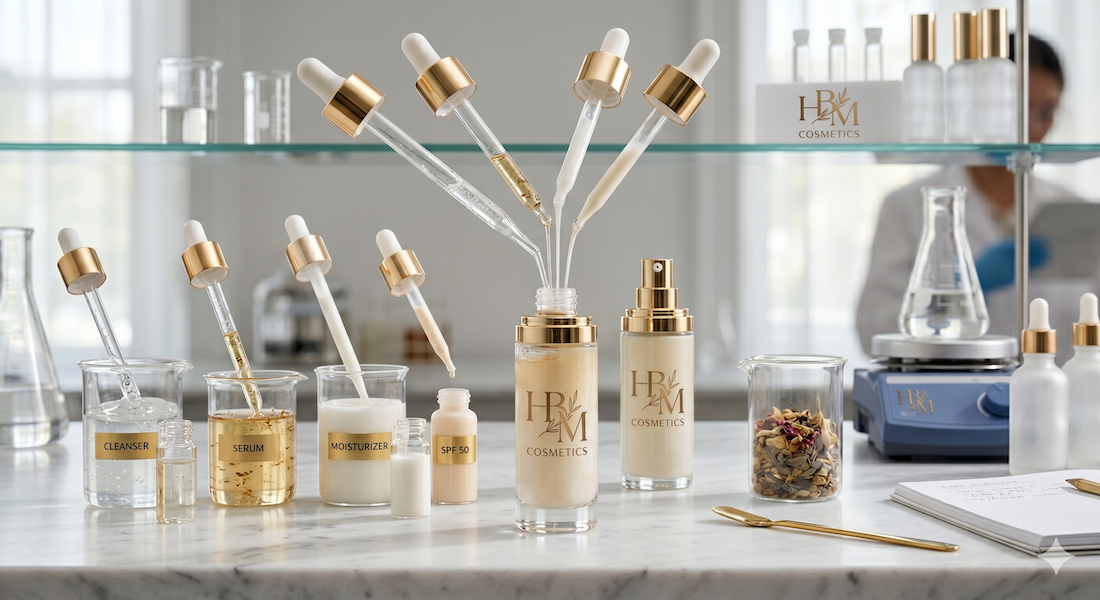
- Replace toner, serum and moisturizer steps
This trend is driven by three key forces:
1. Consumer fatigue
Multi-step routines (such as K-beauty layering systems) have created overwhelm rather than engagement for many users.
2. Ingredient innovation
Advanced delivery systems and stabilisation technologies allow multiple actives in one formula while maintaining acceptable stability ranges. Research into encapsulation and controlled release supports this evolution (see here).
3. Market efficiency
Retailers and brands benefit from simplified SKU portfolios with higher turnover potential.
For B2B stakeholders, especially brand founders and product developers, this category represents both opportunity and formulation complexity.
What “All-in-One” Actually Means in Formulation Terms
From a formulation perspective, “doing it all” typically falls into three categories:
1. Layering consolidation
A product combines functions of multiple steps, such as toner + essence or serum + moisturizer.
2. Multi-active synergy
Multiple actives are included to target different concerns:
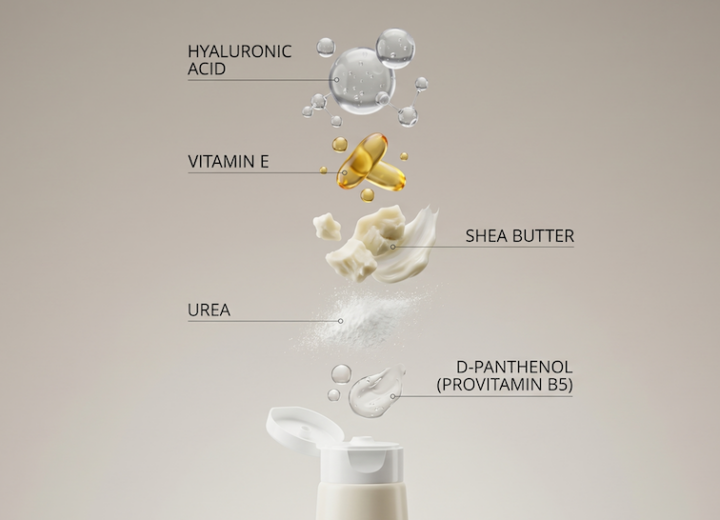
- Niacinamide (barrier support and sebum regulation)
- Hyaluronic acid (hydration and water retention)
- Peptides (signalling support for skin structure)
- Antioxidants (oxidative stress mitigation)
Peer-reviewed dermatological literature supports the role of these actives in skin barrier and ageing support functions.
3. Delivery system efficiency
Modern emulsions, liposomal systems, and encapsulation technologies improve stability and penetration of multiple actives simultaneously. Encapsulation science is widely used in cosmetic chemistry to improve active compatibility and release profiles.
However, the more functions a product is expected to perform, the more complex the formulation becomes – and the higher the risk of instability or reduced efficacy.
The Science-Based Limitations of “Do-It-All” Skincare
While multifunctional skincare is scientifically viable, there are real constraints:
1. pH conflicts between actives
Some ingredients require different pH environments to remain stable or effective. For example, L-ascorbic acid performs optimally in low pH environments, while peptides often prefer neutral conditions. This compatibility challenge is widely documented in cosmetic formulation literature.
2. Dosage dilution
Adding multiple actives often reduces the concentration of each, which can weaken clinical efficacy. Clinical dermatology studies consistently emphasize dose-dependent outcomes for actives like niacinamide and vitamin C.
3. Skin type variability
A formulation ideal for oily skin may be too light for dry or compromised barrier skin, and vice versa – making universal performance difficult.
4. Stability and preservation challenges
More actives increase oxidative risk, degradation pathways, and preservative system load. Cosmetic stability science highlights the exponential complexity introduced by multi-active systems.
Where All-in-One Products Actually Excel
Despite limitations, multifunctional skincare does perform well in specific categories:
Daily moisturizers with added actives
Hydration is universally required, making this the most successful hybrid category.
SPF moisturizers
UV protection combined with skincare benefits remains one of the strongest consumer drivers in dermatological product development.
Barrier-repair creams
Ceramides, fatty acids, and niacinamide work synergistically to support skin barrier function, as supported by dermatological research.
Minimalist routines for younger skin
Consumers with fewer concerns benefit most from simplified formulations. For brands, this means the strongest positioning is not “everything in one,” but rather “everything you need in one context.”
What This Means for Brand Founders and Formulators
If you are developing or scaling a skincare line, the strategic question is not “Can we combine everything?” but rather:
“Which functions genuinely enhance each other without compromising stability or efficacy?”
Successful multifunctional products are built on:
- Clear primary function (hydration, protection or treatment focus)
- Secondary supporting benefits (soothing, antioxidant protection, barrier repair)
- Ingredient compatibility mapping
- Evidence-based active selection aligned with dermatological research
Overloading a formula for marketing appeal often results in weaker performance and reduced consumer trust over time.
Retail Perspective: Why Simpler SKUs Still Win
Retailers often prefer multifunctional products because they:
- Reduce shelf complexity
- Appeal to broader audiences
- Improve conversion rates for entry-level skincare buyers
However, dermatology-informed consumers are increasingly skeptical of exaggerated “does everything” claims. Transparency and functional honesty are becoming stronger purchasing drivers than maximalist positioning. This aligns with broader cosmetic regulatory and scientific expectations for substantiated claims.
The Bottom Line
A single skincare product can absolutely do multiple things well – but rarely everything at maximum efficacy. The most successful formulations are not those that attempt to replace an entire routine, but those that intelligently combine complementary functions into a cohesive, evidence-supported product.
Final Thought
The future of skincare is not about fewer products at any cost. It is about smarter products that respect both skin biology and formulation science.
If you are developing a multifunctional skincare product line or exploring formulation strategy for a new cosmetic concept, structured formulation planning is essential to balance performance and stability. Have a look at our website for a cohesive development strategy here.