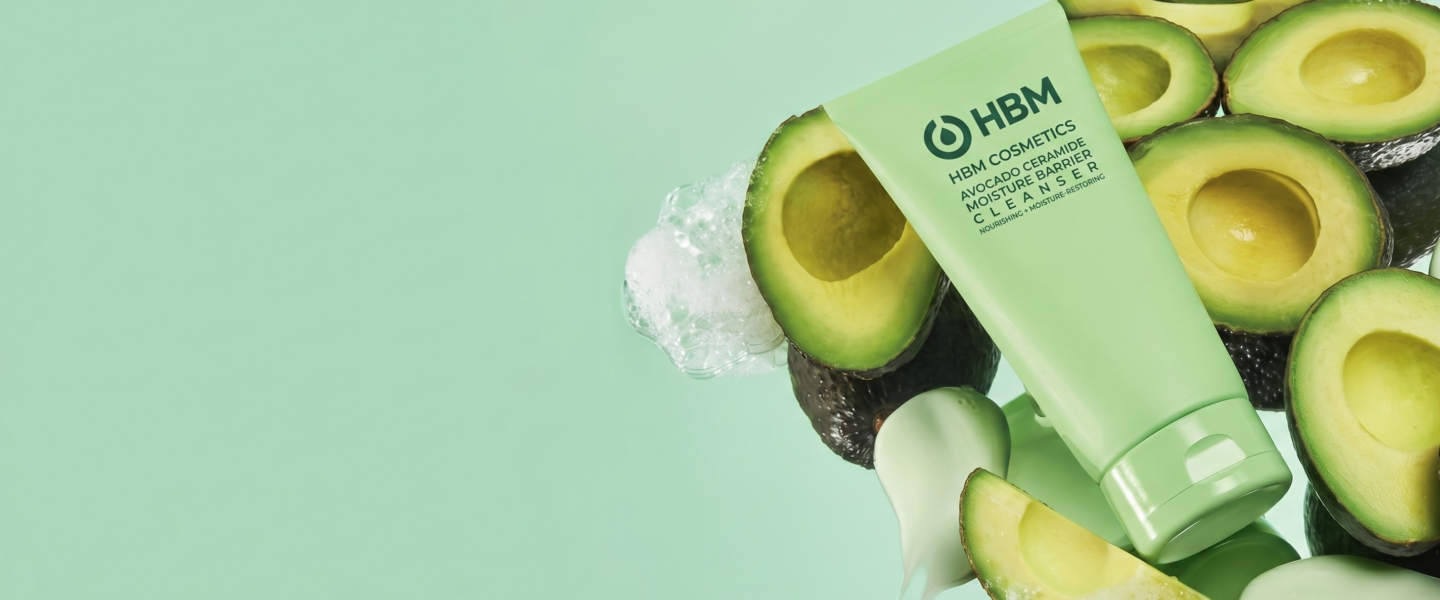
Why Barrier Repair Skincare Has Become a Long-Term Industry Shift
Skincare trends move quickly. Consumer behaviour does not.
That distinction matters because the growing demand for ceramide-based creams no longer looks like a short-term beauty cycle. It reflects a broader shift toward barrier repair skincare – a category now influencing product development across retail, spa, clinic and private label markets in the United States.
Consumers are paying closer attention to ingredient compatibility, skin sensitivity and long-term skin health. Instead of over-exfoliating routines and aggressive treatments, many now want formulations that support hydration, reduce irritation and strengthen the skin barrier over time. Ceramides sit at the centre of that conversation.
According to the American Academy of Dermatology, ceramides naturally help the skin retain moisture while protecting against external irritants. When ceramide levels become depleted, the skin often becomes dry, reactive and more vulnerable to inflammation.
That science has pushed ceramide-based creams far beyond “sensitive skin” positioning.
Today, barrier repair products are appearing in:
- anti-ageing skincare
- post-treatment recovery products
- acne-support formulations
- clinic retail ranges
- dermatologist-inspired skincare
- spa hydration treatments
The commercial appeal is obvious. Barrier-focused skincare speaks to multiple consumer concerns at once without relying on harsh marketing claims.
Consumers Are Becoming More Ingredient-Aware
Social media has accelerated ingredient literacy across skincare audiences. Platforms like TikTok and Reddit have normalised discussions around skin barrier damage, overuse of acids and formulation compatibility. Consumers now actively search terms like:
- “skin barrier repair”
- “ceramide moisturizer”
- “barrier repair cream”
- “fragrance-free ceramide cream”
That behavioural shift matters for manufacturers and brand owners alike. A growing number of skincare buyers no longer judge products by branding alone. They examine ingredient decks, compare active combinations and research whether formulations support long-term skin function. Even educational ingredient platforms like INCI Decoder have become part of the consumer purchasing journey.
Why Ceramide-Based Creams Work Commercially
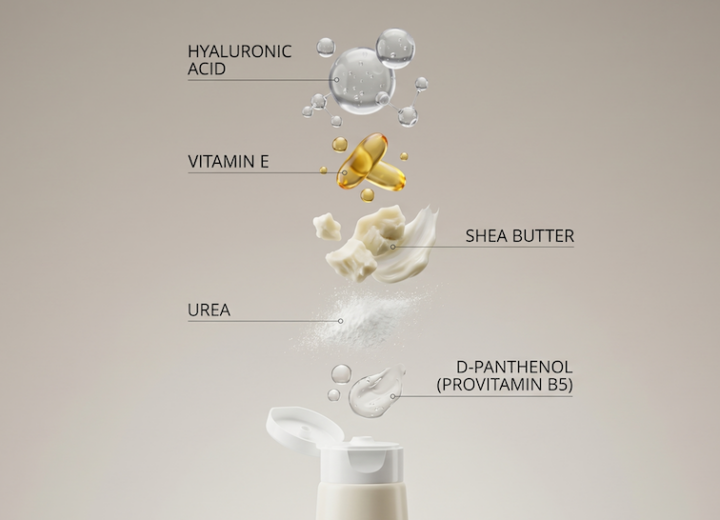
Ceramide-based creams offer strong formulation flexibility for private label skincare brands. Modern barrier repair formulations often combine:
- ceramides
- cholesterol
- fatty acids
- niacinamide
- hyaluronic acid
Together, these ingredients help support moisture retention and skin resilience while maintaining a gentler formulation profile. That combination appeals strongly to:
- skincare startups
- aesthetic clinics
- wellness retailers
- dermatologist-led brands
- spa and salon groups
According to the National Eczema Association, maintaining a healthy skin barrier plays a major role in reducing dryness and irritation linked to compromised skin conditions. That growing awareness continues driving demand for barrier-focused skincare products.
The Future of Barrier Repair Skincare
The skincare industry has spent years prioritising fast results. Barrier repair shifts the focus toward skin longevity.
That is why ceramide-based creams are becoming more than another trending SKU. They represent a wider movement toward evidence-backed skincare formulations designed for consistency, tolerance and daily use.
For cosmetic manufacturers and private label brands, that creates an important opportunity: developing products that align with where consumer trust is heading next.
Frequently Asked Questions
What are ceramide-based creams used for?
Ceramide-based creams help restore the skin barrier, improve hydration and reduce dryness or irritation caused by environmental stressors and over-exfoliation.
Why is barrier repair skincare trending?
What are ceramide-based creams used for?
Ceramide-based creams help restore the skin barrier, improve hydration and reduce dryness or irritation caused by environmental stressors and over-exfoliation.
Why is barrier repair skincare trending?
Consumers are becoming more aware of skin sensitivity and long-term skin health, increasing demand for gentler formulations focused on hydration and skin resilience.
Are ceramides good for sensitive skin?
Yes. Ceramides are widely used in formulations designed for sensitive, dry and compromised skin because they help support the skin’s natural protective barrier.
Are ceramides good for sensitive skin?
Yes. Ceramides are widely used in formulations designed for sensitive, dry and compromised skin because they help support the skin’s natural protective barrier.
Looking to develop barrier-focused skincare products for today’s ingredient-conscious market? Reach out to us here.