Why Gel vs Cream vs Serum Bases Matter in Modern Skincare
Today, consumers are more texture-aware. Social media reviews, ingredient education and clinical skincare trends have changed how people evaluate products. Texture now influences repurchase behaviour, perceived efficacy and even brand positioning.
According to the American Academy of Dermatology, product consistency can affect user compliance because consumers tend to continue using products that feel comfortable on their skin. A formulation base also impacts:
- Active ingredient stability
- Penetration and absorption
- Shelf life
- Sensory experience
- Compatibility with different skin types
- Packaging decisions
The right system supports both formulation performance and commercial success.
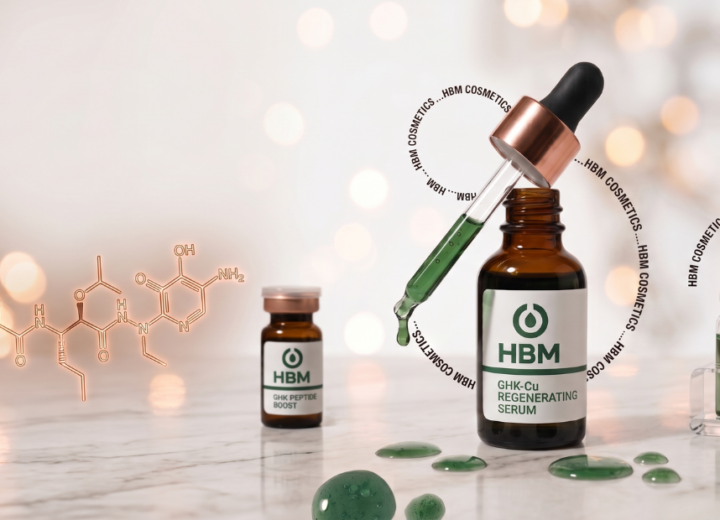
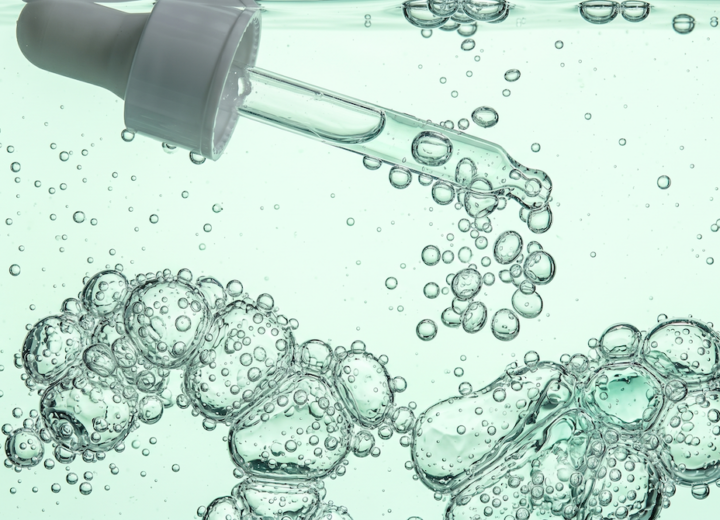
Serum Bases and High-Performance Active Delivery
As a result, serums dominate many premium skincare categories.
Most serum systems use lightweight water-based or hydroalcoholic structures designed for rapid absorption and minimal residue. They work particularly well for ingredients such as:
- Hyaluronic acid
- Niacinamide
- Peptides
- Vitamin C derivatives
Consumers often associate serums with advanced skincare routines and targeted treatment benefits.
However, serum systems also create formulation challenges. Some active ingredients oxidise easily or lose stability in highly fluid systems. Thin textures may also reduce the “comfort” factor consumers expect in colder climates or barrier repair products.
The National Center for Biotechnology Information (NCBI) regularly publishes research on transdermal delivery systems and ingredient stability, highlighting how formulation structure influences efficacy and penetration.
Cream Bases for Barrier Repair and Consumer Comfort
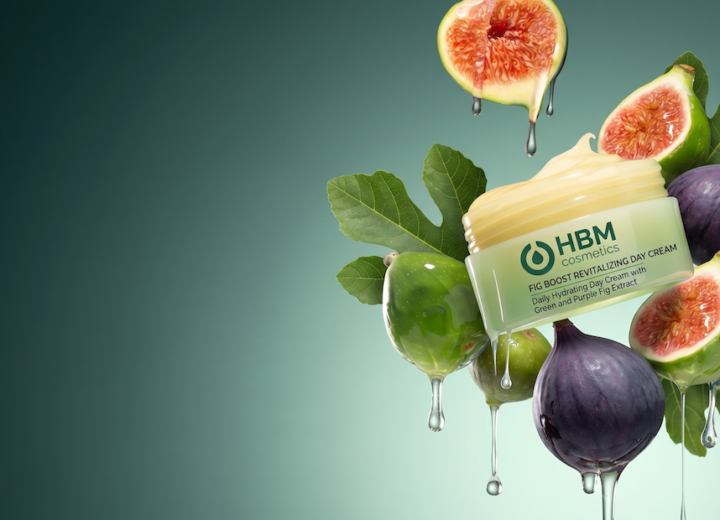
In contrast, cream systems remain dominant in moisturisers, anti-ageing products and barrier repair skincare for one reason: consumers trust them.
Creams create a richer sensory profile and stronger occlusive support, making them ideal for:
- Dry skin formulations
- Ceramide-based creams
- Overnight repair products
- Sensitive skin products
- Anti-ageing categories
Oil-in-water emulsions remain especially popular because they balance hydration with a relatively elegant skin feel.
The rise of skin barrier repair trends has also pushed cream systems back into focus. Consumers dealing with over-exfoliation, retinoid sensitivity and environmental stress often prefer richer formats that feel protective rather than aggressive.
According to Harvard Health Publishing, maintaining the skin barrier plays a major role in reducing irritation and transepidermal water loss.
Gel Bases for Lightweight Skincare Formulations
Meanwhile, gel systems sit between creams and serums.
They deliver lightweight hydration without the heavier sensory profile associated with traditional emulsions. In warmer climates especially, gels often outperform creams from a user experience perspective.
This makes gel systems highly attractive for:
- Oily and acne-prone skin
- Men’s skincare
- Post-treatment skincare
- Hybrid cosmetic products
- Water-based actives
Gel textures also align strongly with modern “skinimalism” trends where consumers want fast routines and breathable finishes.
But gels are not automatically simpler formulations. Stability, viscosity control and preservative compatibility still require careful R&D consideration.
Choosing Between Gel, Cream and Serum Bases
There is no universally superior base. The right choice depends on:
- Target consumer
- Skin type positioning
- Climate considerations
- Active ingredient compatibility
- Packaging format
- Brand identity
- Desired sensory experience
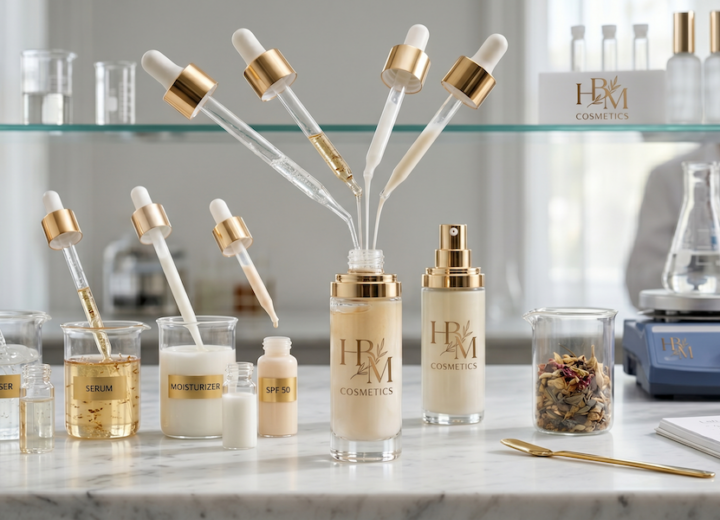
Some brands even combine systems through gel-creams, serum-emulsions and hybrid textures to meet evolving market expectations.
In cosmetic manufacturing, formulation success rarely comes from following trends blindly. It comes from understanding how texture, science and consumer behaviour work together inside a single product experience.
Looking to develop cosmetic formulations aligned with modern skincare trends and consumer expectations?
Contact us to discuss your next cosmetic manufacturing project.
FAQ
What is the difference between gel, cream and serum skincare bases?
Serums are lightweight and highly concentrated, creams focus on hydration and barrier support, while gels provide lightweight hydration with a fresh skin feel.
Which skincare base absorbs the fastest?
Serum systems generally absorb the fastest due to their lightweight consistency.
Are gel moisturisers better for oily skin?
Yes. Gel-based products often feel lighter and less occlusive, making them popular for oily and acne-prone skin types.
Why do cosmetic brands use hybrid textures?
Hybrid textures help brands combine sensory appeal, hydration and active delivery into one formulation system.