Natural Cosmeceutical Ingredients Are Not Always Safer
Consumers increasingly associate botanical ingredients with purity and wellness. While plant-derived actives can offer excellent benefits, natural ingredients are not automatically gentle or risk-free.
Essential oils, for example, can trigger irritation, photosensitivity and allergic reactions when used incorrectly. Certain botanical extracts also vary depending on harvest conditions, climate and processing methods. As a result, maintaining batch consistency can become difficult in large-scale manufacturing.
This inconsistency matters in cosmeceutical development because efficacy depends on precision.
A vitamin C serum that oxidises quickly or a botanical extract with fluctuating potency can compromise both product stability and consumer trust.
According to the U.S. Food & Drug Administration (FDA), cosmetic products and ingredients must ultimately be safe for consumers under labelled conditions of use, regardless of whether they are natural or synthetic.
Synthetic Cosmeceutical Ingredients Are Often Misunderstood
The term “synthetic” has become emotionally charged in beauty marketing. However, many synthetic ingredients are developed specifically to improve safety, stability, and formulation performance.
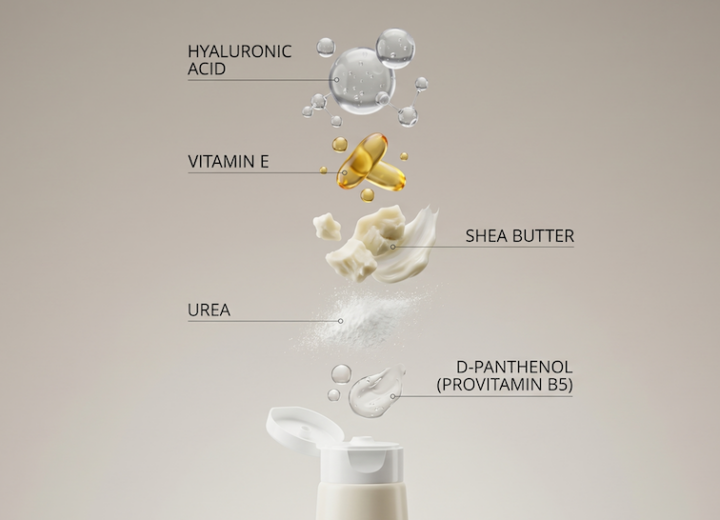
Hyaluronic acid, peptides, silicones, and stabilised active compounds are widely used because they help create predictable, effective results. In many cases, synthetic alternatives are also more sustainable than harvesting large quantities of natural raw materials.
For example, lab-engineered actives can reduce pressure on agricultural systems while offering better purity control and longer shelf stability.
The idea that “chemical-free” skincare exists is also scientifically inaccurate. Water itself is a chemical compound. The real discussion should focus on toxicology, formulation balance, concentration levels, and long-term product performance.
The Personal Care Products Council regularly highlights the importance of evidence-based ingredient safety assessments rather than fear-driven marketing language.
The Future of Cosmeceutical Ingredients Is Balance
The strongest formulations in modern skincare rarely sit entirely on one side of the debate.
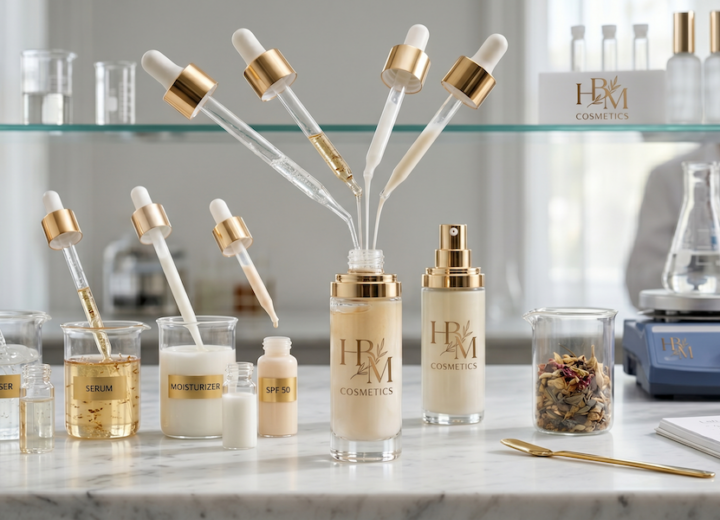
Instead, they combine carefully selected natural extracts with advanced synthetic systems to improve absorption, stability, texture, and efficacy.
Consumers are becoming more educated. They are starting to question vague “clean beauty” claims and demand transparency backed by science rather than trends. That shift creates an important opportunity for brands.
Rather than framing natural and synthetic ingredients as opposites, manufacturers should focus on intelligent formulation strategies that prioritise:
- Product stability
- Clinical performance
- Consumer safety
- Sensory experience
- Regulatory compliance
- Long-term brand credibility
At HBM, we believe formulation decisions should be driven by science, functionality, and manufacturing precision, not fear-based marketing narratives. Because in cosmeceuticals, performance is rarely about choosing sides but choosing the right system.
FAQ's
Are synthetic ingredients bad for skin?
Not necessarily. Many synthetic ingredients are specifically developed to improve product stability, safety and performance in skincare formulations.
Are natural ingredients always better in cosmetics?
No. Natural ingredients can still cause irritation, instability, or inconsistent formulation results depending on their concentration and processing.
Why do cosmeceutical brands use synthetic ingredients?
Synthetic ingredients often improve shelf life, texture, absorption, consistency and overall product efficacy.
What matters most in a cosmeceutical formulation?
Safety, stability, ingredient compatibility and proven performance matter more than whether ingredients are natural or synthetic.